


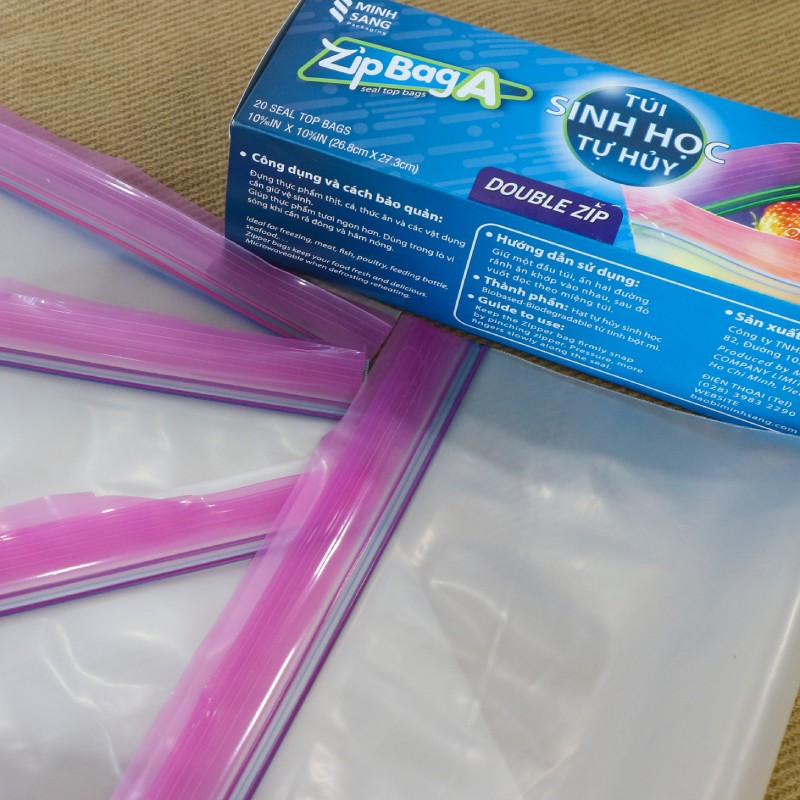
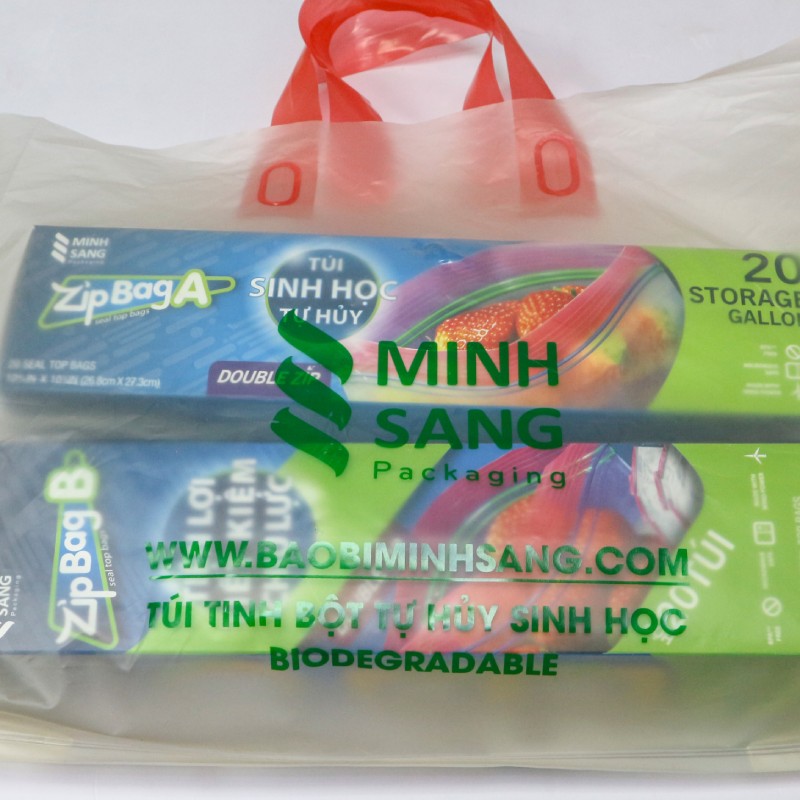
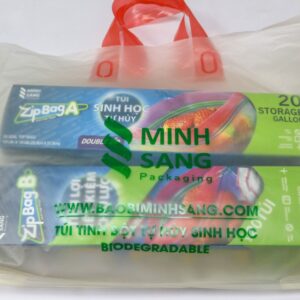
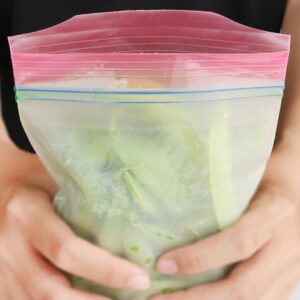

Biodegradable bags are increasingly preferred due to their significantly shorter decomposition time compared to conventional plastic bags. Various biodegradable versions have been developed to meet the growing consumer demand. Minh Sang introduces to consumers and businesses the Biodegradable Zipper Bag – a product highly rated for combining three key factors: convenience, safety, and environmental friendliness.
What Is a Biodegradable Zipper Bag?
A starch-based zipper bag, also known as a biodegradable zip bag, is a packaging product made from a completely different material composition compared to conventional plastic bags. To shorten the decomposition time, manufacturers increase the percentage of organic components while reducing the plastic content. Specifically, the typical composition includes:
-
50% plastic resin
-
40% starch
-
10% organic additives
When placed in a suitable environment with adequate light, temperature, and humidity, the bag creates favorable conditions for microorganisms to thrive. These microorganisms break down the plastic components into CO₂, H₂O, and other organic substances. The resulting biomass fully integrates into the natural environment without causing harm.
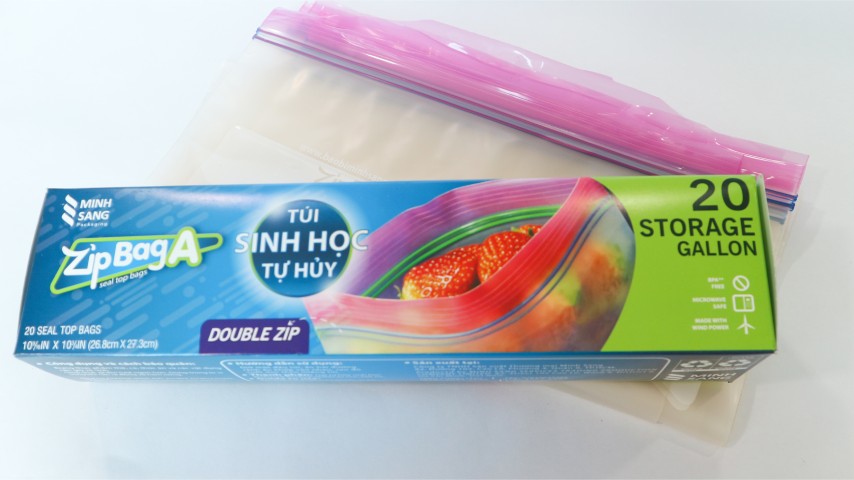
Starch-based bags are leading products in Minh Sang’s mission to deliver green and clean packaging solutions. Continuing that mission, Minh Sang has developed the starch-based zipper bag, made from cassava starch and designed with a secure zipper seal (press-to-close or slider type).
Advantages of Biodegradable Zipper Bags
Many customers wonder whether biodegradable zipper bags maintain high quality. Below are their outstanding advantages:
1. Significantly Reduced Decomposition Time
Instead of taking 500–1000 years to decompose like traditional plastic bags, biodegradable zipper bags can decompose within 6 months to 2 years and fully break down within approximately 5 years, depending on environmental conditions.
Replacing just one conventional plastic bag with a biodegradable zip bag helps significantly reduce global plastic waste.
2. Environmentally Friendly
During decomposition, plastic and natural components are converted into organic substances that dissolve easily in water and do not harm soil or plants.
3. Safe for Health
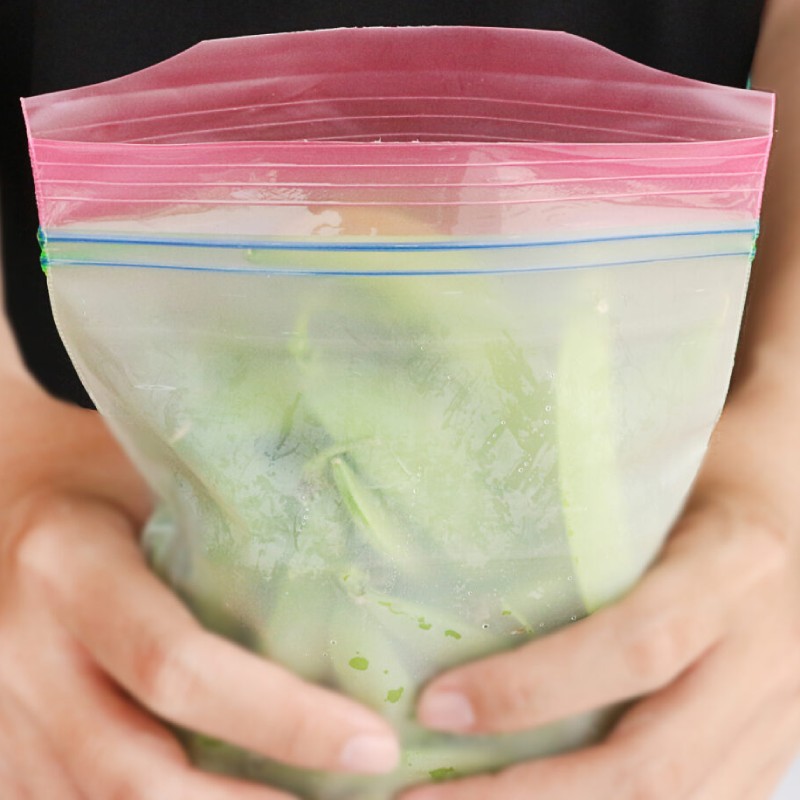
When used for food storage, biodegradable zipper bags maintain food freshness without releasing harmful chemicals.
4. Superior Quality
The bags are durable, flexible, and heat-resistant, suitable for both raw and cooked foods. They are odorless, airtight, waterproof, and moisture-resistant, ideal for storing dry goods such as nuts, powders, candies, and snacks.
5. Reusable
Despite being biodegradable, the bags are strong enough for multiple uses without stretching or weakening, helping users save packaging costs.
6. Variety of Designs and Sizes
Available in various sizes and styles to meet diverse needs. The smooth surface allows high-quality printing, helping businesses enhance brand visibility.
Applications of Biodegradable Zipper Bags
Thanks to their outstanding benefits and environmental significance, biodegradable zipper bags are widely used across industries:
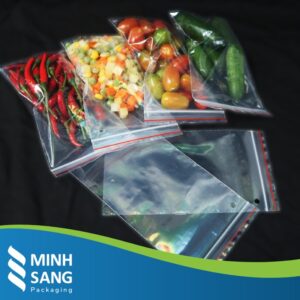
Food Storage
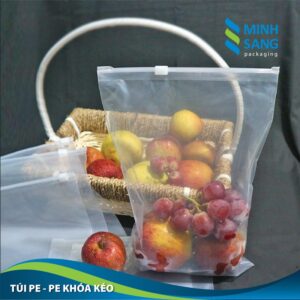
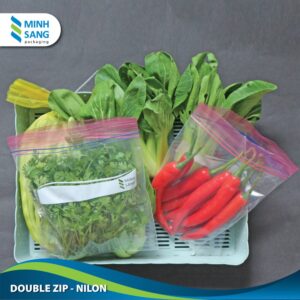
Ideal for vegetables, fruits, dry goods, candies, and snacks. Their moisture-resistant properties help maintain freshness.
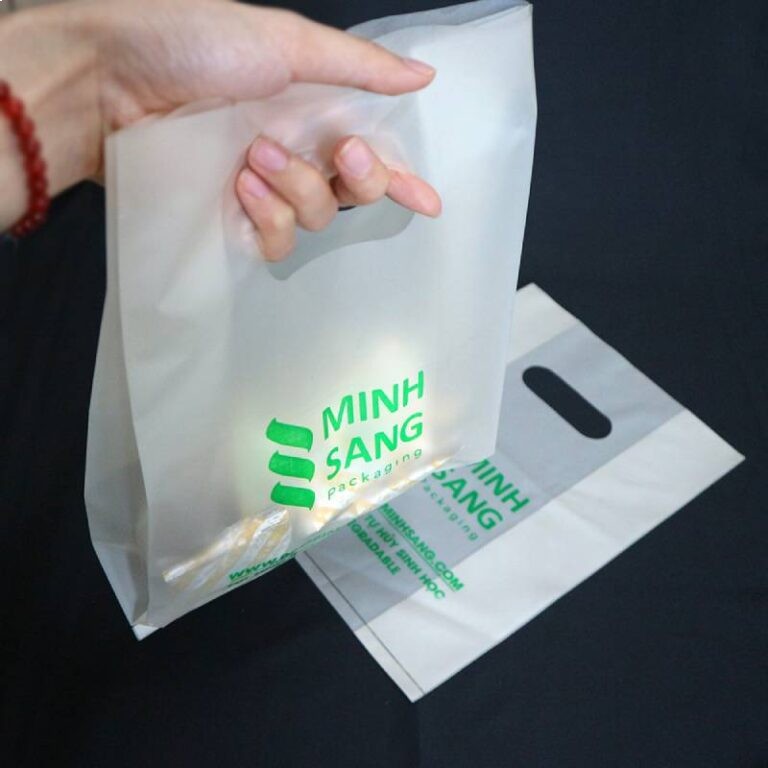
Beverage Industry
Suitable for liquid foods such as juices, soft drinks, and milk tea. Convenient for takeaway and refrigeration without releasing harmful substances.
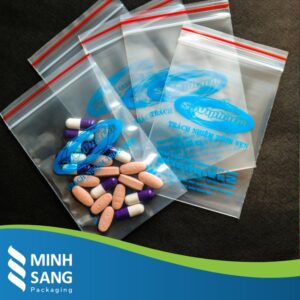
Pharmaceutical Industry
Small-sized zipper bags are widely used for packaging prescription medications. The airtight and transparent design protects medicine quality and allows easy identification.
Electronics Industry
Used for storing small electronic components, protecting them from oxidation and loss.
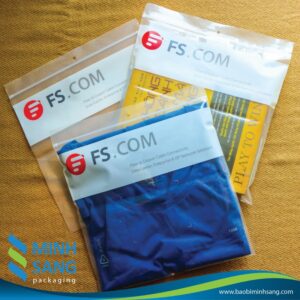
Garment Industry
Ideal for storing small items such as buttons, threads, and accessories.
Decomposition Mechanism
During production, biological components are embedded within the plastic polymer chain structure. When exposed to environmental moisture, hydrolysis occurs, allowing fermentation processes to generate microorganisms within the plastic structure. This makes the plastic more water-permeable and accessible to microbial attack, enabling complete natural decomposition.
Types of Biodegradable Zipper Bags
Press-to-Close Starch Zipper Bags
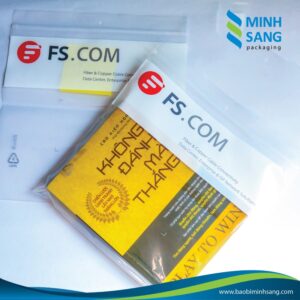
Designed with a single press seal that can be easily opened and closed by pressing along the edge.
Starch Zipper Bags with Slider
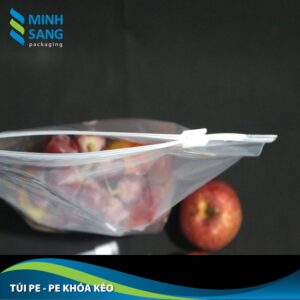
Feature an additional plastic slider for secure and convenient sealing.
Key Benefits for Businesses
- Excellent product preservation during transportation
- Improved brand image and customer perception
- Enhanced branding and promotional opportunities
- Increased market competitiveness
- Long-term cost savings
Minh Sang – Best-Priced Biodegradable Zipper Bags in Ho Chi Minh City
As part of Minh Sang’s “Green Packaging” mission, biodegradable zipper bags provide businesses with eco-friendly packaging solutions while ensuring optimal product preservation and brand value.

As a direct manufacturer without intermediaries, Bao Bì Minh Sang is committed to offering the most competitive prices. Loyal customers and bulk orders receive special discounts and attractive long-term cooperation policies.
For detailed consultation, please contact:
Hotline: (028) 3983 2290 – (028) 3983 2292
See also:
Buy high-quality transparent zipper bags in Ho Chi Minh City








Reviews
There are no reviews yet.