PE bags
PE bags

PE bags

PE bags

PE bags
PE bags
PE bags

PE bags
PE bags
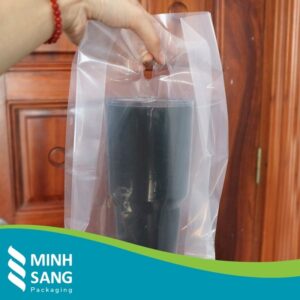
In our daily lives, we use many different types of bags, including PE bags. This is one of the most common plastic packaging types made from synthetic resin, known for its durability, flexibility, and resistance to water and chemicals. To better understand what PE bags are and their characteristics, let’s explore the details below with Minh Sang.
What Is a PE Bag?
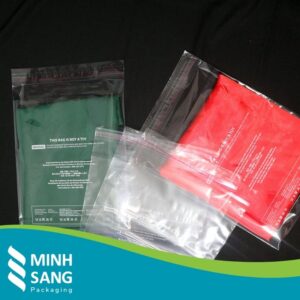
A PE bag is a type of plastic bag made from virgin or recycled polyethylene (PE) resin pellets.
Virgin PE bags are produced from new, pure resin pellets on a large industrial scale. These bags have attractive color, high transparency, better thinness, and greater flexibility.
Recycled PE bags are manufactured from recycled PE resin pellets. These pellets are produced by collecting and processing previously used PE bags into raw material form. Recycled PE bags typically have a cloudy or slightly yellowish appearance and are less flexible and thinner compared to virgin PE bags.
PE bags are widely used in the market today.
Applications of PE Bags
Thanks to their outstanding features, PE bags are widely used in various industries. They are not only used in households but also by businesses of all sizes. PE bags are used to package products in many fields, such as:
-
Food packaging
-
Medical equipment packaging
-
Electronic components packaging
-
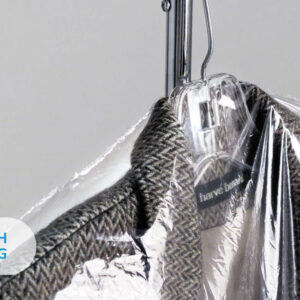
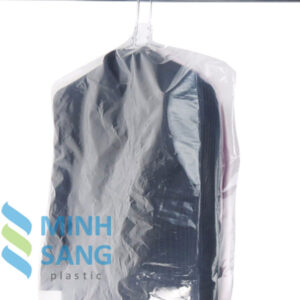
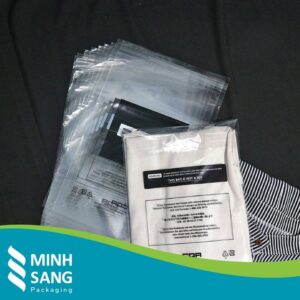
Garment and textile packaging
Advantages of PE Bags
PE bags offer many outstanding advantages, including durability, flexibility, and excellent water resistance.
Some key benefits include:
-
Thick, durable, and smooth texture with a glossy surface. They offer good elasticity during use and do not easily wrinkle, maintaining an aesthetic and premium appearance.
-
Excellent water resistance and waterproof properties, allowing safe use in humid or rainy conditions while protecting goods inside.
-
Good printability. With modern gravure printing technology, PE bags can feature attractive designs that effectively promote business branding.
-
High transparency options that showcase the beauty and appeal of the products inside.
-
Convenient for packaging, making packing operations faster and simpler without requiring complex techniques.
Disadvantages of PE Bags
Despite their advantages, PE bags also have certain drawbacks:
-
PE bags are difficult to decompose. Even after processing, they remain plastic-based products and can have environmental impacts.
-
Very thin PE bags may tear easily during use, leading to damage or water leakage.
Common Types of PE Bags
There are many types of PE bags available on the market today. Businesses should choose based on their specific needs. Some common types include:
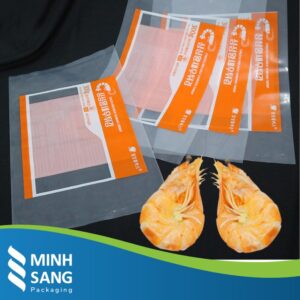
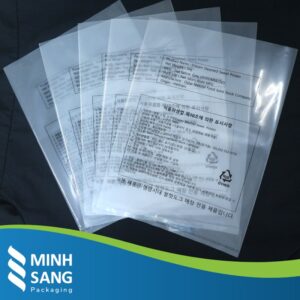
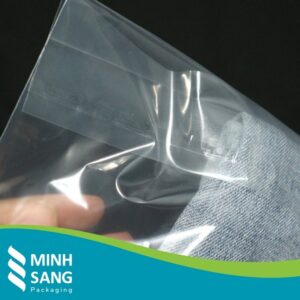
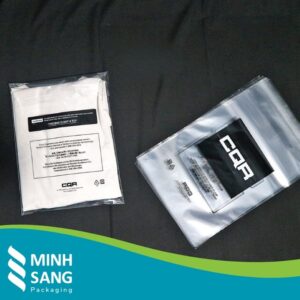
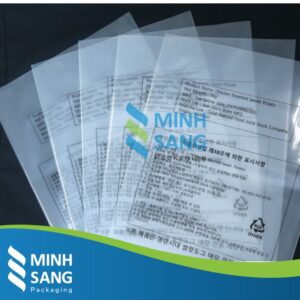
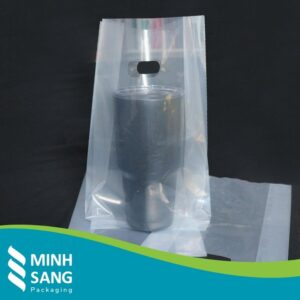
Transparent PE bags: Durable, flexible, and glossy. Widely used for retail packaging, food packaging, and medical supplies.
Anti-static PE bags: Designed to dissipate static electricity and block light, helping protect electronic devices and components from electromagnetic waves and static discharge. Commonly used in aviation, military, and electronics industries.
Vacuum PE bags: Thick and durable nylon-based bags that can be reused multiple times. They are especially suitable for food storage and help reduce contamination during preservation.
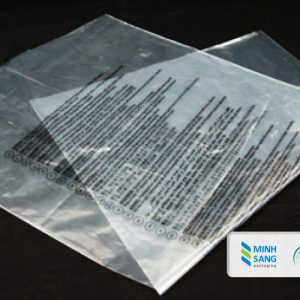
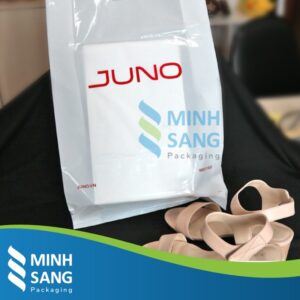
PE security seal bags: Flexible and secure during transportation. Commonly used for packaging clothing, handbags, shoes, and similar retail products.
Depending on usage needs, customers should select the most suitable type of PE bag.
Although there are many types of PE bags, users should avoid using them to store foods with high acidity or alkalinity and should always choose high-quality products.
For detailed consultation on PE bags, contact Bao Bì Minh Sang. Minh Sang is a packaging manufacturing factory that continuously innovates and applies modern technology to deliver high-quality products at competitive prices. Our experienced team is always ready to support and advise customers on all packaging-related needs. If you have any questions, please contact us today.