PP bags
PP bags
PP bags
PP bags
Plastic PP bags are widely used in many different industries every day. However, not everyone fully understands the characteristics and specific properties of this type of bag. In the article below, let’s explore PP bags in more detail with Minh Sang.
What Is a PP Bag?
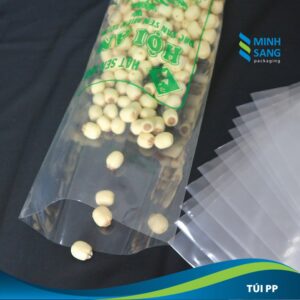
A PP bag, also known as a transparent plastic bag, is made from virgin Polypropylene (PP) resin. It is commonly used as packaging for goods thanks to its high elasticity, non-toxic properties, and versatility across various industries. PP bags are manufactured in a wide range of sizes to meet diverse user needs.
PP bags are currently one of the most commonly used packaging solutions on the market.
Applications of PP Bags
With many outstanding characteristics, PP bags are widely applied in different industries, including:
-
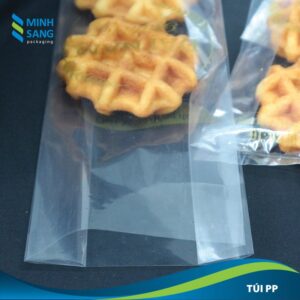
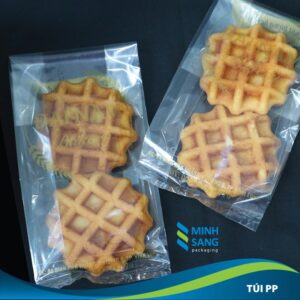
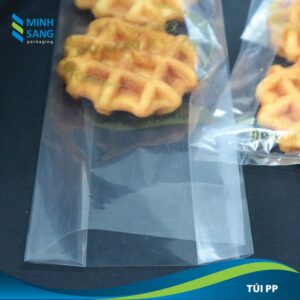
Food packaging industry: The most common application is packaging food, confectionery, and beverages. These bags are available in various thicknesses and sizes to suit different types of products.
-
Mushroom cultivation industry: PP bags are used for mushroom growing substrates. They are flexible, durable, and heat-resistant, withstanding steam sterilization up to 121°C without tearing or deforming. This provides significant economic efficiency for mushroom farmers.
-
Ornamental plant cultivation: PP bags are also used for planting flowers and ornamental plants such as orchids, helping reduce tearing and deformation during seedling preparation.
Advantages of PP Bags
PP plastic bags are highly favored due to several outstanding benefits:
-
High transparency and glossy surface, allowing easy visibility of the contents inside, with excellent and sharp printing capability.
-
Lightweight with low stretch rate, strong crack resistance, water resistance, and breathability—making them suitable for various applications.
-
Relatively fast degradation compared to some other plastics, contributing to environmental friendliness.
-
Resistant to acids and alkalis, good antibacterial properties, and easy to clean without releasing harmful substances.
-
Reusable multiple times.
-
Easy to manufacture at low cost, enabling large-scale production without significant price increases.
PP plastic bags stand out in the market thanks to these impressive advantages.
Disadvantages of PP Bags
Alongside their advantages, PP bags also have some limitations:
-
Low melting point, meaning they are not suitable for high-temperature environments.
-
Susceptible to oxidation if stored unused for a long time.
-
Although chemically resistant, they have weaker resistance to aromatic substances and certain solvents.
Popular Types of PP Bags Today
Depending on usage needs, customers can choose from various PP bag types:
Adhesive-Seal PP Bags
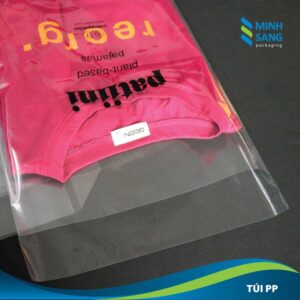
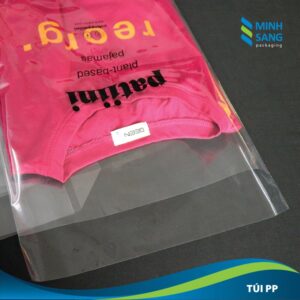
These bags are designed with one side of the opening longer than the other. The extended flap has an adhesive strip to seal the bag securely, preventing products from falling out. They are available in multiple thicknesses and sizes.
PP Bags for Food and Clothing
These transparent, odorless bags contain no impurities, ensuring safety for users. They are widely used for packaging food and garments.
Side-Gusset PP Bags
These bags feature a convenient zip closure and are typically thicker and more tear-resistant. They are often used to package larger food items and are popular among bakeries.
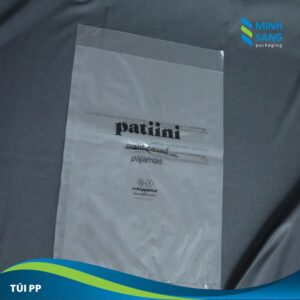
Printed Adhesive-Seal PP Bags
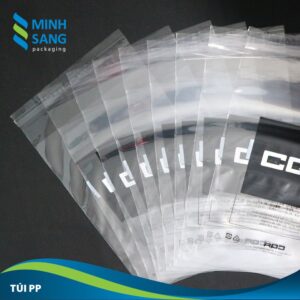
This type combines adhesive sealing with custom printing on the exterior to enhance visual appeal. It helps businesses showcase their products and promote their brand more effectively.
Conclusion
In summary, PP bags are a packaging solution with many outstanding advantages, offering convenience and efficiency for users across various industries.
To meet diverse customer needs, Minh Sang Packaging manufactures a wide range of PP packaging solutions. If you would like to learn more about our products, please contact Minh Sang via hotline (+84) 283 983 2290 for dedicated consultation and support.