2026 marks a major shift in the packaging industry as consumers increasingly prioritize sustainability, minimalist design, and practical experiences. Packaging is no longer viewed merely as a protective layer, but as a key competitive advantage. Packaging trends for businesses in 2026 will focus on environmental friendliness, high recyclability, and stronger brand identity.
Introduction to Packaging Trends for Businesses in 2026
The year 2026 will be a pivotal period as businesses transition strongly toward sustainable, minimalist, and eco-friendly packaging solutions. Changes in consumer behavior, stricter green standards, and cost-optimization pressures are turning packaging into a strategic asset rather than a simple outer wrap.

Packaging Trends for Businesses in 2026
Packaging in 2026 emphasizes recyclability, streamlined design, advanced printing technologies, and enhanced user experience. Businesses that adopt these trends early will gain a significant competitive edge.
Key Trends in 2026
As 2026 approaches, market demand and environmental policies are driving major changes in the packaging industry, highlighted by the following trends:
Green Packaging and Sustainable Materials
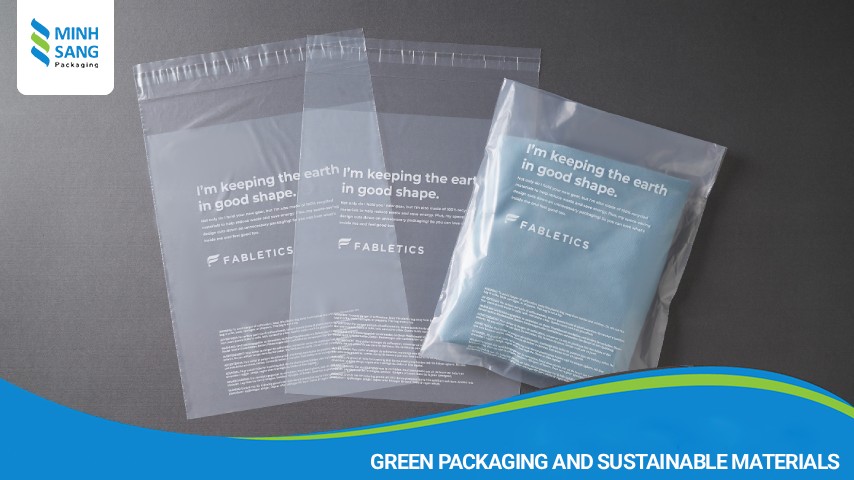
In 2026, green packaging continues to lead as businesses prioritize biodegradable, recyclable, and compostable materials. These materials help reduce emissions, decompose more easily, and comply with ESG standards. They are essential for exporters and brands aiming to build an environmentally responsible image.
Minimalist and Streamlined Design
Packaging design is shifting toward minimalism to reduce costs while enhancing aesthetics. Fewer details create a modern, clean look and improve brand recognition. Streamlined packaging also saves materials and optimizes transportation.
Personalized Packaging by Customer Segments
Fast printing technologies allow businesses to create multiple packaging versions for seasons, campaigns, or specific customer groups. Personalization strengthens brand connection, increases engagement, and boosts marketing impact—ideal for short-term promotions and gift products.
Smart Packaging
Smart packaging integrates QR codes, sensors, or electronic labels to provide additional information. Consumers can scan the packaging to access instructions, expiration dates, or product traceability, improving transparency and helping combat counterfeiting.
Lightweight and Cost-Efficient Packaging
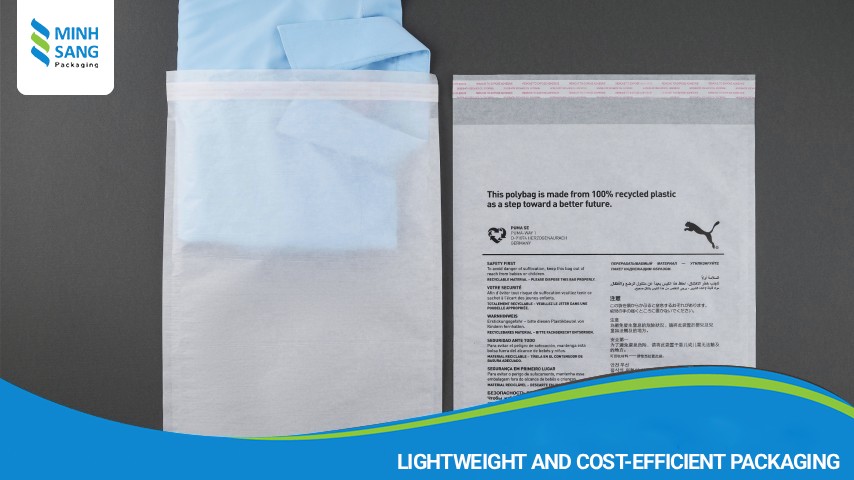
The growth of cross-border trade drives demand for lightweight yet durable packaging. Thinner, compact materials reduce logistics costs, increase shipment volume per order, and lower emissions while optimizing storage expenses.
Industries Most Affected
With evolving packaging trends in 2026, several industries will be significantly impacted:
-
Food and Beverage: Leading the adoption of green and food-safe packaging. Consumer demand for transparency increases the use of smart packaging.
-
Pharmaceuticals and Healthcare: Strict safety regulations require anti-counterfeit packaging and digital printing to enhance transparency and reduce risks.
-
Fashion and E-commerce: The boom in online shopping pushes brands to optimize packaging for lower shipping costs and better unboxing experiences. Lightweight, reusable, and eco-friendly packaging is prioritized.
-
Cosmetics: The cosmetics industry favors premium yet sustainable packaging. Refill boxes and reusable packaging are becoming standard to meet green consumer expectations.
Market Forecast 2026–2028
From 2026 to 2028, the global packaging market is expected to grow strongly due to the expansion of e-commerce, sustainability trends, and increasingly advanced printing technologies. Eco-friendly packaging will account for a larger market share as consumers and governments prioritize low-emission, safe products.

Rising Demand for Biodegradable Packaging
As the cost of traditional materials rises, businesses are shifting toward recycled materials to optimize costs and meet green standards. Many countries are tightening plastic waste regulations, accelerating innovation across the packaging industry.
At the same time, technological competition among manufacturers is intensifying. Smart packaging with traceability and anti-counterfeiting features will become mandatory in sectors such as food and pharmaceuticals.
Recommendations for Businesses
To keep pace with packaging trends in 2026, businesses must proactively adjust their strategies. Prioritizing green materials such as recycled PE, biodegradable bags, and eco-friendly laminated films helps reduce emissions and meet stricter standards.
At the same time, packaging design should be simplified to minimize material waste and production costs. Digital printing technology enables easy personalization by season, campaign, or customer segment.
Businesses should also review packaging processes to reduce weight, lower transportation costs, and improve logistics efficiency. Choosing a reliable packaging supplier is crucial to ensure consistent quality and long-term supply stability.
Introduction To Bao Bì Minh Sang
Minh Sang packaging has over 15 years of experience in packaging manufacturing, serving key industries such as food, pharmaceuticals, exports, and e-commerce. With a strong focus on innovation, the company continuously adopts advanced technologies and develops green packaging solutions aligned with sustainability trends.
The company offers a wide range of packaging products, including biodegradable bags, recycled bags, zipper packaging, laminated films, OPP roll films, PE, PP, and custom-designed packaging solutions. Every product undergoes strict quality control to ensure safety, reliability, and high usability for businesses.
Conclusion
Packaging trends for businesses in 2026 highlight the urgent shift toward green materials, minimalist design, and smart packaging solutions to maintain competitive advantage. Early preparation enables businesses to reduce costs and better meet market demands. If you are looking for a reliable and stable packaging partner, Bao Bì Minh Sang is a strong choice. Contact us today for professional consultation and dedicated support.
Frequently Asked Questions
Consumers prioritize environmentally friendly products, and increasingly stringent regulations on reducing plastic waste force businesses to switch to sustainable packaging.
Popular materials include: recycled plastic, biodegradable bags, compostable materials, FSC-certified paper, and eco-friendly packaging films.
Packaging design will focus on minimalism, efficiency, and fewer details while still ensuring aesthetics, easy brand recognition, and material savings.
Industries heavily impacted include: food and beverages, pharmaceuticals, cosmetics, fashion, and e-commerce.